
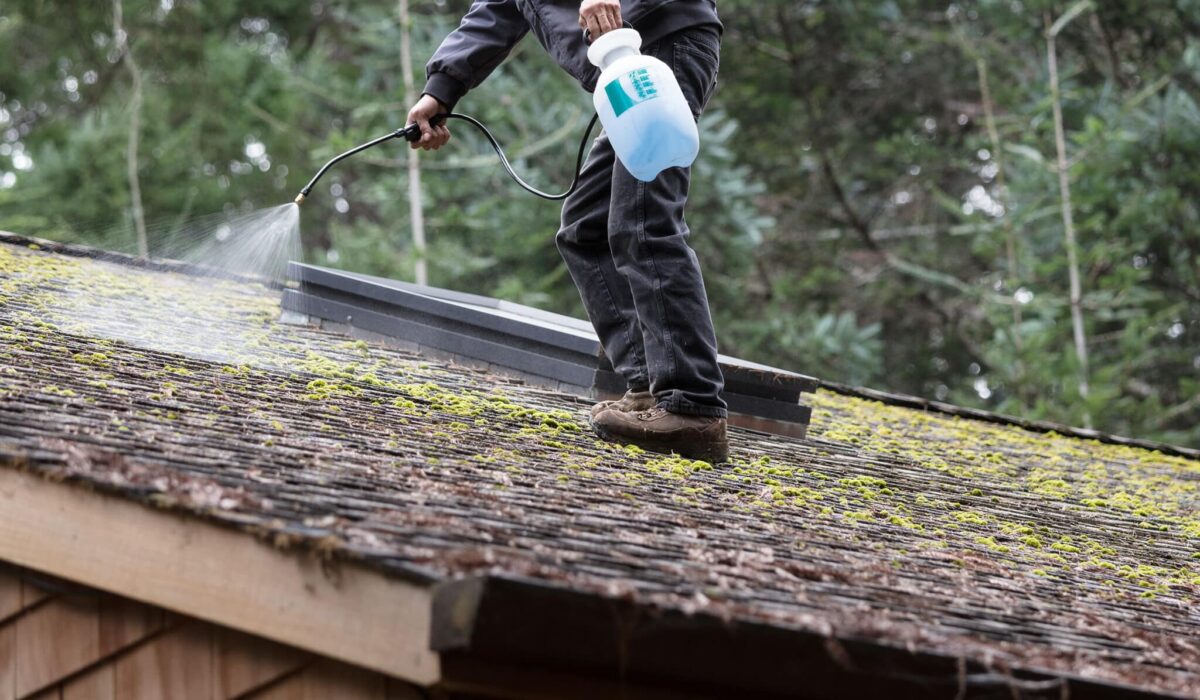
In Victoria, roof moss is more than a cosmetic issue. It is a sign that your roof is living in the kind of damp, shaded, coastal environment where moss can grow fast and hold moisture against your shingles for months at a time. That matters even more as spring turns into early summer, because the weeks before June are one of the best times to deal with moss before warmer weather makes the problem harder to manage and more expensive to ignore.
If you live in Victoria, Oak Bay, Saanich, Langford, Colwood, Sidney, or anywhere else on Vancouver Island, the end of spring is a smart time to inspect your roof and remove moss before summer fully arrives. The weather is usually more workable, the roof is easier to access, and any damage caused by winter moisture can be addressed before dry weather puts extra stress on already vulnerable shingles.
This guide explains why June is the point at which waiting becomes a mistake, what moss does to your roof, and why homeowners who act in late spring often save money, extend roof life, and avoid bigger repairs later in the year.
Why moss grows so quickly on Victoria roofs
Victoria’s climate is one of the main reasons moss is so common here. The city gets plenty of moisture, mild temperatures, shaded lots, and long stretches where roofs stay damp after rain or morning dew. Moss loves those conditions. It settles in shaded areas, especially on north-facing slopes, under trees, and in places where debris collects in valleys or near gutters.
Once moss starts growing, it does not just sit on top of the roof. It spreads into the surface, traps water, and keeps the roof wetter for longer than it should be. That moisture can shorten the life of asphalt shingles, weaken cedar, and make small roof issues turn into larger ones over time.
By late spring, many Victoria roofs have already gone through months of wet weather. That makes May and early June an ideal window to remove moss before summer conditions harden the growth and before the roof has to endure a full season of heat, sun, and dryness after being saturated for so long.
Why late spring is the best time to remove roof moss
There are practical reasons to handle moss removal before June starts. The first is access. Spring weather is usually more predictable than winter or late fall, which makes it easier and safer for a roofing contractor to inspect and treat the roof properly. The second is condition. Moss that has been growing through winter and spring is often still manageable before it gets fully baked into the surface during the summer months.
There is also a timing benefit for your roof’s long-term health. If moss is removed before summer, the roof can dry out properly and spend the warmer months in better shape. That means less trapped moisture, less chance of further deterioration, and fewer opportunities for algae, debris, and new moss growth to take hold.
Another reason is scheduling. Good roofing companies in Victoria book up quickly as homeowners begin noticing roof issues in spring. If you wait until June or later, you may find longer wait times, higher demand, and less flexibility for inspections and treatment.
What moss does to your roof if you leave it alone
Moss might look soft, but it can be surprisingly destructive. It holds moisture like a sponge, and that moisture keeps the roof surface damp long after rain has passed. On asphalt roofs, that can loosen granules, weaken shingles, and reduce the protective layer that helps your roof stand up to sun and weather. On cedar roofs, moss can speed up decay and make the wood stay wet longer than it should.
As moss grows thicker, it can also lift shingles slightly. That creates small gaps where water can creep in. In some cases, homeowners do not notice the problem until there is staining in the attic, a leak during a heavy rain, or signs of damage around flashing, vents, or valleys.
Another issue is weight and debris buildup. Moss often traps leaves, needles, and dirt, which makes the problem even worse. What starts as a patch of green can become a bigger maintenance issue that affects drainage and roof performance.
Removing moss before June helps stop that cycle early, before summer heat makes the roof more vulnerable to wear and before hidden damage has time to spread.
Why waiting until summer can cost more
Some homeowners assume roof moss can wait until later in the year, but waiting often makes the job harder and the repair bill higher. By the time summer is fully underway, moss may be more deeply rooted and more difficult to remove without damaging the roof surface. If the growth has had time to spread, the contractor may need more time, more treatment, and more care to avoid harming shingles or cedar.
There is also the risk that summer reveals problems that spring moss was hiding. Once the moss is removed, contractors sometimes discover cracked shingles, soft spots, damaged flashing, or clogged valleys that should have been addressed sooner. That is actually another reason to act early: it gives you time to fix small problems before they become major summer repairs.
If you wait too long, you may also end up dealing with the problem during the busiest part of the season, when roofing crews are in higher demand. That can mean fewer appointment options and more competition for prompt service.
The benefits of removing moss before June
Handling moss removal before June brings several advantages. First, it helps protect the roof from ongoing moisture damage. Second, it makes the roof easier to maintain through the summer. Third, it gives you a chance to catch other issues while the weather is still friendly for repairs.
It can also improve the appearance of your home. A clean roof instantly makes a property look better cared for, which matters whether you plan to stay for years or are thinking about selling in the future. Buyers notice the roof. So do appraisers, inspectors, and neighbours.
There is also a peace-of-mind factor. Once the moss is gone and the roof has been inspected, you no longer have to worry every time it rains. You can move into summer knowing your roof is in better condition and less likely to surprise you with avoidable problems.
Signs your roof needs moss removal now
You do not have to wait for a major problem before taking action. If you notice moss in shaded areas, green patches along the edges of shingles, debris collecting in valleys, or streaks of moisture that do not dry quickly, your roof is probably ready for attention.
Other warning signs include shingles that look lifted, curling, or uneven, gutters that keep filling with debris, and dark damp patches that stay visible even after a dry spell. If your home has large trees nearby or limited sunlight on the roof, the moss risk is even higher.
In Victoria, it is common for homeowners to underestimate how fast moss can spread. What looks like a small patch in April can become a much larger issue by the time summer is in full swing. That is why a spring inspection is such a smart move.
Why professional moss removal is safer than DIY
Some homeowners try to remove moss themselves, but roofs are not a place to take shortcuts. Scrubbing too hard can damage shingles. Using the wrong chemical can stain roofing materials or harm plants below. Walking on a roof without the right equipment can also be dangerous, especially if the roof is wet, sloped, or covered in moss.
A professional roofing contractor knows how to remove moss without stripping protective granules, cracking shingles, or making the roof more vulnerable. They also know how to work safely, how to treat the roof based on its material, and how to minimize runoff into landscaping and drainage systems.
Professional moss removal is usually more than just cleaning. A good contractor will inspect the roof, remove debris, treat the moss properly, and recommend preventive steps to slow future growth. That kind of approach gives you longer-lasting results and a better return on the money you spend.
What a proper moss removal service should include
A quality moss removal service should begin with an inspection. The contractor should assess the extent of the growth, note any roof damage, and decide what kind of treatment makes sense for your roof type. From there, they should remove loose debris, apply the right treatment, and use careful techniques that do not damage shingles or cedar.
They should also explain what they are doing and why. A trustworthy contractor will not rush through the job or keep everything vague. They should be able to tell you how they will protect your roof, your gutters, and your landscaping.
In many cases, they may also suggest preventive steps such as zinc strips, improved roof ventilation, or tree trimming to reduce shade and moisture. Those small changes can make a real difference over time.
Questions to ask before hiring a contractor
Before you hire anyone for moss removal, ask a few simple questions. Find out what method they use, whether they have experience with your roof type, and whether they provide a written quote. Ask if they are insured and whether they can show proof of coverage. A professional company should be comfortable answering these questions.
You should also ask whether they use pressure washing. For most roofs, especially asphalt shingles, pressure washing is not the right approach because it can do more harm than good. A good contractor will explain how they remove moss without damaging the roof surface.
Finally, ask whether they offer any follow-up or preventive treatment. The best services do not just remove moss once and disappear. They help you keep the roof in better condition going forward.
How often Victoria roofs should be checked
Because Victoria’s climate supports moss growth, it is smart to have your roof checked regularly. Most homes benefit from a professional inspection at least once a year, especially if the property is shaded or surrounded by trees. Roofs that already show moss growth may need treatment every one to two years depending on the severity of the problem.
Spring is one of the best times to schedule that inspection because it lets you deal with issues before the dry season settles in and before summer heat makes roof maintenance more difficult. If you are already seeing moss in May, the safest move is not to wait.
What happens if you wait until after June
Waiting until after June does not guarantee disaster, but it does increase the chances that moss will keep spreading and moisture will remain trapped longer than necessary. If the roof is already weakened, a few more months of neglect can make repair costs higher.
In addition, once summer is underway, more homeowners begin calling for service. That means inspections and cleanings may take longer to schedule. In some cases, what could have been a simple moss removal job in May becomes a more involved repair later in the year.
There is also the issue of hidden damage. Moss often hides wear beneath it, so early removal gives you the opportunity to find weak spots before they turn into leaks or interior problems. Waiting removes that advantage.
Final thoughts
If you own a home in Victoria, removing roof moss before June starts is one of the smartest maintenance decisions you can make. It protects your roof from ongoing moisture damage, gives you time to address hidden issues, and helps your home stay in better shape through the summer months.
The late-spring window is ideal because the weather is still manageable, the roof is easier to inspect, and moss has not yet had the entire summer to harden and spread. A professional moss removal service can help you clean the roof safely, preserve its lifespan, and avoid the kind of damage that leads to bigger expenses later.
Do not wait for a leak or a major repair to get your attention. If you can already see moss on your roof, now is the time to act.
Frequently Asked Questions
How much does roof moss removal cost in Victoria, BC?
Professional moss removal in Victoria typically ranges from $400 to $1,500 depending on roof size, moss severity, roof pitch, and the type of service provided. A full-service treatment with inspection, cleaning, and preventive treatment often falls in the middle of that range.
How do I know if my roof has too much moss?
If moss is spreading across multiple sections of the roof, lifting shingles, or collecting in thick patches, it should be addressed soon. Even smaller patches are worth treating early because they can spread quickly in Victoria’s damp conditions.
Is it safe to remove moss myself?
DIY moss removal can be risky because roofs are slippery and easy to damage. Using the wrong tools or chemicals can shorten roof life or create safety hazards. Professional removal is usually the safer and more effective option.
How often should moss be removed from a roof in Victoria?
Many homes benefit from treatment every one to two years, though homes with heavy tree cover or persistent shade may need more frequent maintenance.