
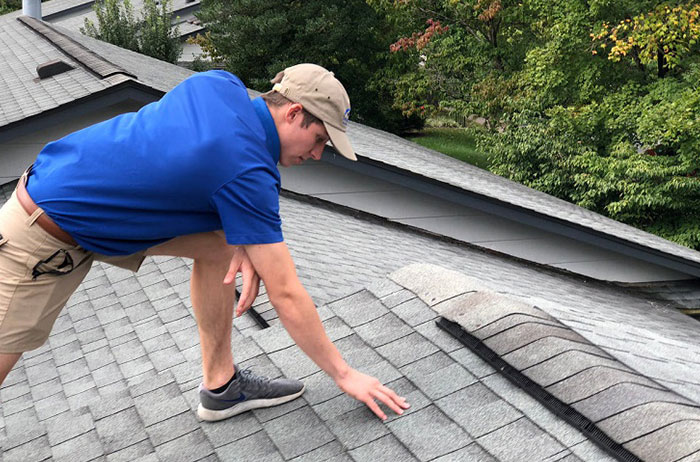
Have you been putting off replacing your roof because it “still seems okay”?
You’re not alone. Many homeowners wait until they notice a leak or missing shingles before contacting a roofing contractor. Unfortunately, by the time water starts entering your home, the damage may already extend beyond the roof itself.
For homeowners in Victoria, BC, timing is one of the most important factors when planning a roof replacement. While roofing projects can be completed throughout much of the year, August consistently offers some of the best conditions for replacing an aging roof before the wetter fall season begins.
With dry weather, stable temperatures, and longer daylight hours, late summer provides an excellent opportunity to complete roofing work while minimizing weather-related interruptions. More importantly, replacing your roof before autumn storms arrive helps protect your home from moisture damage and gives you peace of mind heading into the rainy season.
In this guide, we’ll explain why August is the ideal month for roof replacement in Victoria, BC, what warning signs indicate it’s time for a new roof, and how homeowners can prepare before fall weather arrives.
Why Timing Matters for Roof Replacement
A roof replacement is a significant investment, and choosing the right season can make the project smoother for both homeowners and roofing crews.
August typically provides favorable conditions because:
- Rainfall is generally lower than during the fall and winter.
- Roofing materials are easier to install in warm, dry weather.
- Longer daylight hours allow crews to work efficiently.
- Stable conditions reduce the likelihood of weather delays.
- Homeowners have time to prepare before heavy rain returns.
Although roofing professionals can work during many times of the year, planning ahead often reduces scheduling challenges and helps avoid emergency situations.
Victoria’s Climate Makes Late Summer Ideal
Victoria has one of the mildest climates in Canada, but its weather changes noticeably as summer transitions into fall.
During late summer, homeowners often experience:
- Warm daytime temperatures
- Lower humidity
- Longer periods without rain
- More predictable weather patterns
As autumn approaches, weather becomes less predictable, increasing the possibility of:
- Extended rainfall
- Wind-driven storms
- Moisture intrusion
- Delayed roofing schedules
Replacing your roof before these seasonal changes helps reduce unnecessary risks.
Signs It’s Time to Replace Your Roof
Not every roofing issue requires a full replacement, but several warning signs suggest it’s time for a professional inspection.
Your Roof Is Near the End of Its Expected Life
Every roofing material has a finite service life.
If your roof is approaching the age recommended by its manufacturer or installer, an inspection can determine whether replacement should be planned before problems develop.
Missing or Damaged Shingles
Strong winds, aging materials, and seasonal weather can loosen or damage shingles.
Look for:
- Missing shingles
- Curled edges
- Cracks
- Broken tabs
- Loose ridge caps
Small problems can quickly become larger ones once heavy rain begins.
Granules in Your Gutters
Asphalt shingles are protected by mineral granules.
Finding excessive granules inside gutters may indicate that shingles are naturally aging and becoming more vulnerable to weather.
Water Stains Inside the Home
Brown stains on ceilings or walls often indicate moisture entering the roofing system.
Even if the leak appears small, the source may be much larger than expected.
Repeated Roof Repairs
If your roof requires frequent repairs, replacing it may provide greater long-term value than continually fixing isolated issues.
A professional evaluation can help determine the most practical solution.
Benefits of Scheduling a Roof Replacement in August
Better Installation Conditions
Warm temperatures help many roofing materials perform as intended during installation.
Dry conditions also reduce interruptions caused by unexpected rain.
Easier Scheduling
Many homeowners wait until autumn storms expose roofing problems.
Scheduling during August often provides more flexibility before demand increases during the busy fall season.
Protection Before Rain Arrives
Replacing your roof before wet weather helps reduce the risk of:
- Interior leaks
- Wet insulation
- Mold growth
- Damaged drywall
- Structural wood deterioration
Preventive work is generally less disruptive than emergency repairs.
More Comfortable Planning
Planning your roofing project in advance gives you time to compare options, ask questions, and prepare your property without the urgency of an active leak.
Common Mistakes Homeowners Make
Avoiding these common mistakes can help protect both your home and your budget.
Waiting Until the First Leak
Leaks usually indicate that moisture has already penetrated part of the roofing system.
Replacing an aging roof before leaks develop often prevents additional repairs inside the home.
Choosing Based Only on Price
The lowest estimate may not always provide the best long-term value.
Homeowners should also evaluate:
- Scope of work
- Material options
- Communication
- Experience
- Project planning
A roofing project is an investment in your home’s long-term protection.
Ignoring Small Roofing Problems
Loose flashing, cracked shingles, or minor roof damage may appear insignificant during summer.
Once heavy rain begins, these small issues can quickly become larger concerns.
Roof Replacement vs. Roof Repair
| Situation | Repair May Be Appropriate | Replacement May Be Better |
| Minor localized damage | ✔ | |
| Small flashing repair | ✔ | |
| One or two missing shingles | ✔ | |
| Roof nearing end of service life | ✔ | |
| Widespread shingle deterioration | ✔ | |
| Multiple recurring leaks | ✔ | |
| Extensive weather-related wear | ✔ |
A professional inspection is the best way to determine which option is most appropriate.
Preparing for Your Roof Replacement
Planning ahead helps make your roofing project as smooth as possible.
Before Installation
- Move vehicles away from the work area.
- Secure patio furniture and outdoor décor.
- Protect valuable items stored in the attic.
- Inform neighbors if appropriate.
- Discuss access requirements with your contractor.
Simple preparation helps improve safety and efficiency.
Maintenance Tips After Your New Roof Is Installed
A new roof still benefits from routine care.
Roof Maintenance Checklist
✅ Clean gutters regularly.
✅ Remove leaves and branches.
✅ Trim overhanging trees.
✅ Inspect the roof after major storms.
✅ Check your attic periodically for signs of moisture.
✅ Schedule professional inspections as your roof ages.
Preventive maintenance helps maximize the life of your roofing investment.
Frequently Overlooked Roofing Components
Homeowners often focus on shingles, but a roofing system includes many important parts.
During a roof replacement, professionals also evaluate:
- Flashing
- Underlayment
- Ridge ventilation
- Roof vents
- Chimney flashing
- Skylights
- Fascia
- Soffits
- Gutters
Each component contributes to the roof’s ability to protect your home from the elements.
General Cost Considerations
Roof replacement costs vary depending on several factors, including:
- Roof size
- Roof pitch
- Material selection
- Existing roof condition
- Accessibility
- Ventilation upgrades
- Flashing replacement
- Removal of existing roofing materials
Rather than focusing solely on initial cost, homeowners should also consider long-term durability, maintenance requirements, and overall value.
Professional Recommendations
If your roof is showing signs of age or damage, don’t wait for the first autumn storm to reveal hidden problems.
A professional inspection can help determine:
- Whether repairs are sufficient
- If replacement should be planned
- Which roofing materials best suit your home
- Whether ventilation improvements are recommended
Planning ahead provides greater flexibility and reduces the likelihood of emergency repairs.
Why Choose Shoreline Roofing
Choosing the right roofing contractor is just as important as choosing quality materials.
At Shoreline Roofing, homeowners receive honest recommendations based on the condition of their roof—not unnecessary upselling. With experience serving Victoria and surrounding communities, the team understands the local climate and the importance of completing roofing projects before seasonal weather changes.
Homeowners choose Shoreline Roofing because of:
- Local roofing experience
- Professional workmanship
- Honest roof assessments
- Clear communication
- Safety-focused work practices
- Reliable scheduling
- Commitment to customer service
Whether your home requires repairs or a complete roof replacement, a professional evaluation helps ensure the right solution for your property.
Frequently Asked Questions
Why is August considered the best month for roof replacement in Victoria?
August generally offers warm temperatures, dry weather, and longer daylight hours, creating favorable conditions for roofing projects before fall rain becomes more frequent.
Can I replace my roof in the fall?
Yes. Roof replacements can often be completed during the fall, but weather may be less predictable and scheduling may become more limited as demand increases.
How do I know if my roof needs replacement instead of repairs?
If your roof has widespread deterioration, repeated leaks, or is nearing the end of its expected lifespan, replacement may provide better long-term value. A professional inspection can help determine the most appropriate option.
Should I replace my roof even if it isn’t leaking?
Yes. Many roofs show signs of aging before leaks become visible. Replacing an aging roof proactively may help prevent more extensive damage.
How long does a roof replacement usually take?
The timeline depends on roof size, complexity, weather conditions, and material selection. Your roofing contractor can provide a project-specific schedule after evaluating your home.
What should I do before my roof replacement begins?
Move vehicles, secure outdoor belongings, protect attic storage if needed, and discuss site access with your contractor to help the project proceed efficiently.
Conclusion
Waiting until the rainy season to replace an aging roof can increase the likelihood of leaks, emergency repairs, and unexpected expenses. By planning your roof replacement in Victoria, BC during August, you can take advantage of more predictable weather, efficient installation conditions, and greater scheduling flexibility before fall storms arrive.
If you’ve noticed missing shingles, recurring repairs, or other signs of roof wear, now is an excellent time to schedule a professional inspection. The experienced team at Shoreline Roofing can assess your roof, explain your options, and help you prepare your home for the months ahead with confidence.