
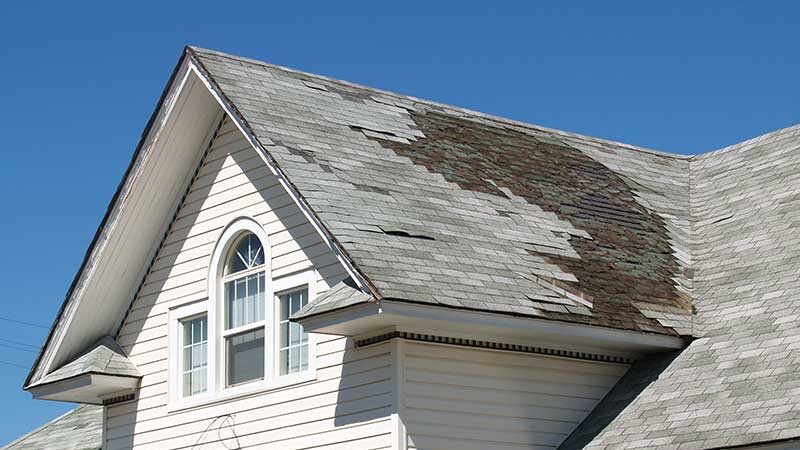
Victoria’s mild, wet climate is one of the biggest reasons roofs here need regular attention. By the time late spring rolls around, your roof has already been through months of rain, wind, moisture, and shade — all of which can quietly wear down shingles, flashing, gutters, and other roofing components. Summer may feel like the “safe” season, but the damage often starts long before the first hot day arrives.
If you own a home in Victoria, Oak Bay, Saanich, Langford, Colwood, Sidney, or anywhere else on Vancouver Island, late spring is one of the best times to inspect your roof. Catching problems now can help you avoid leaks, moss buildup, water damage, and costly emergency repairs later in the season. The key is knowing what to look for before summer starts.
Here are five important signs your roof needs attention right away.
1. You can see moss, algae, or dark staining on the roof
Moss is one of the most common roofing issues in Victoria. The damp climate, tree coverage, and shaded roofs create ideal conditions for moss and algae to grow. What starts as a small patch can quickly spread across shingles, especially on north-facing or heavily shaded sections of the roof.
Moss is more than a cosmetic issue. It holds moisture against the roof surface, which can weaken shingles over time and make it easier for water to work its way underneath. If moss is already visible from the ground, that is a clear sign your roof needs attention before summer starts.
Dark streaks or staining may also point to algae growth or moisture retention. Even if the roof still looks structurally sound, these signs suggest that the surface is holding more moisture than it should. That is usually the right time to schedule a professional inspection or cleaning.
2. Shingles are curling, cracked, or missing
Healthy shingles should lie flat and appear consistent across the roof. If you notice curling edges, cracked surfaces, loose pieces, or missing shingles, your roof may already be showing age or weather-related wear. These issues are especially important to address before summer, because hot weather can make weak spots worse.
Shingles protect the roof deck from moisture, so any visible damage creates an opening for water to get in. In Victoria, even a small area of damage can lead to leaks once the rain returns or if summer storms bring sudden heavy moisture. What looks minor from the ground can become a much bigger problem if ignored.
If you spot damaged shingles, it is a good idea to have the roof checked as soon as possible. Replacing a few shingles now is far better than dealing with hidden leaks later in the year.
3. Your gutters are overflowing or full of debris
Your gutters and roof work together. If the gutters are clogged, backed up, or overflowing, the water has nowhere to go. That can cause it to pool along the roof edge, seep under shingles, or spill down exterior walls where it may lead to rot, staining, or foundation problems.
In Victoria, spring gutters often collect leaves, needles, moss, and roof debris left behind from winter weather. If your gutters are constantly filling up, that is often a sign that your roof also needs attention. Moss and debris on the roof can break loose and move into the gutter system, which makes drainage worse.
Before summer starts, it is smart to have both the roof and gutters inspected and cleaned. That way, water can drain properly during the warmer months and any hidden issues can be spotted early.
4. You notice water stains inside the home
One of the clearest warning signs of a roof problem is interior water damage. If you see stains on ceilings, bubbling paint, damp attic insulation, or musty smells in the upper part of the home, your roof may already be leaking.
These signs are especially important because roof leaks do not always appear directly beneath the damaged area. Water can travel along rafters, framing, or insulation before becoming visible inside the house. By the time you notice a stain, the problem may have been active for some time.
If you find water stains or moisture inside your home, do not wait until summer is over to investigate. A roofing professional can help trace the source and determine whether the issue is coming from damaged shingles, flashing, ventilation problems, or moss-related water retention.
5. Your roof is more than 10 to 15 years old
Age alone does not mean a roof is failing, but it does mean you should pay closer attention. If your roof is more than 10 to 15 years old, it is more likely to show wear in the form of damaged shingles, weakened flashing, sagging areas, or recurring moss growth.
Older roofs should be inspected more frequently, especially in Victoria where damp weather can shorten the lifespan of roofing materials. Even if you do not see obvious damage from the ground, age-related wear may still be developing underneath the surface.
Late spring is a great time to check an older roof because it gives you the chance to address small issues before summer heat, dry conditions, and seasonal storms make them worse.
Why it matters to check your roof before summer
Summer often feels like a break from roof problems, but in reality it is the ideal time to catch and fix issues that developed during the wetter months. Once summer begins, roofing surfaces may dry out, which can hide some problems temporarily while allowing others to spread unnoticed.
By inspecting your roof before summer starts, you can identify damage while the weather is still cooperative and repairs are easier to schedule. You also reduce the chance of entering the busiest part of the season with hidden leaks, moss buildup, or drainage problems already in place.
In a climate like Victoria’s, roof maintenance is not just about reacting to visible damage. It is about staying ahead of the wear that builds quietly over time.
What a professional roof inspection can reveal
A professional roofer can spot issues that most homeowners cannot see from the ground. During an inspection, they may check for damaged shingles, soft spots, moss buildup, loose flashing, clogged gutters, vent issues, and signs of water intrusion. They can also tell whether the roof needs simple maintenance or more involved repair work.
If your roof has moss, debris, or staining, a professional can recommend the safest method for cleaning and treatment. In some cases, that may include soft moss removal, preventive treatment, or improvements to drainage and ventilation.
Getting a proper inspection before summer starts gives you clarity. Instead of guessing whether the roof is fine, you will know what condition it is in and what needs to be done next.
How to reduce roof problems after the inspection
Once your roof has been checked, a few simple maintenance habits can help keep it in better shape through the summer. Keep gutters clear, trim back overhanging tree branches, and watch for moss or debris buildup after windy weather. If your roof has a history of moss growth, ask your contractor about preventive treatment options.
It also helps to schedule regular inspections rather than waiting for visible damage. Roof problems are usually easier and cheaper to address early, before water gets inside or structural wear spreads across the system.
For many Victoria homeowners, a yearly spring roof check is enough to catch small problems before they become expensive ones.
Final thoughts
If you have noticed moss, damaged shingles, clogged gutters, interior water stains, or an aging roof, do not wait until summer is already underway. These are all signs that your roof needs attention before the season changes.
Victoria’s climate makes roof maintenance especially important, and late spring is one of the best times to deal with issues while the weather is still workable. A timely inspection and some preventive care can help protect your roof, extend its lifespan, and save you from larger repairs later in the year.
The sooner you act, the easier it is to keep your home protected.
Frequently Asked Questions
How often should a roof be inspected in Victoria, BC?
Most homes in Victoria should have the roof inspected at least once a year, especially if the property has trees, shade, or a history of moss growth.
Can moss damage my roof if I leave it alone?
Yes. Moss traps moisture, which can weaken shingles and make the roof more vulnerable to leaks and long-term deterioration.
What is the best time of year for roof maintenance?
Late spring is one of the best times in Victoria because the weather is usually more stable and issues from the wet season can be addressed before summer.
Do I need a full roof replacement if I see damage?
Not always. Many roof problems can be handled with cleaning, repair, or targeted replacement of damaged sections, depending on the condition of the roof.