
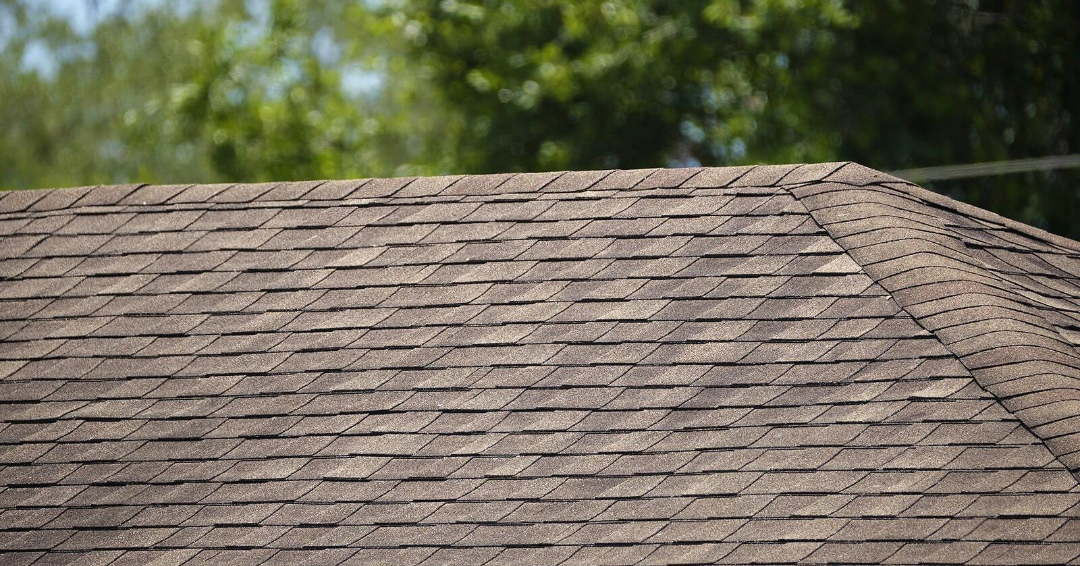
Many homeowners assume their roof is under the most stress during the rainy season. While heavy rain certainly tests a roofing system, the damage often begins much earlier—during the warm, sunny months of summer.
In Victoria, BC, roofs face a unique combination of environmental conditions. Long hours of ultraviolet (UV) exposure, warmer temperatures, coastal breezes, and salt carried inland from the ocean all contribute to the gradual aging of roofing materials. These effects don’t usually cause sudden failures, but they can shorten a roof’s service life over time if maintenance is neglected.
That’s why a roof inspection in Victoria, BC is one of the most valuable preventive maintenance steps homeowners can take before fall weather arrives.
In this article, we’ll explain how the local coastal climate affects different parts of your roof, the warning signs to watch for, practical maintenance tips, and why regular inspections can help protect your investment for years to come.
Why Victoria’s Coastal Climate Is Different
Victoria enjoys one of Canada’s mildest climates, making it an attractive place to live. However, the same coastal environment that creates pleasant summers also presents unique challenges for roofing systems.
Throughout the summer, roofs are exposed to:
- Extended UV radiation
- Daily heating and cooling cycles
- Coastal humidity
- Ocean salt carried by sea breezes
- Occasional dry periods followed by seasonal rainfall
Individually, these factors may seem minor. Together, they gradually influence how roofing materials age.
How Summer UV Rays Affect Your Roof
Ultraviolet radiation is one of the leading causes of natural roofing material aging.
Although homeowners cannot see UV light, roofing materials experience its effects every sunny day.
Asphalt Shingles
Asphalt shingles contain protective mineral granules and asphalt compounds that help resist weather.
Over many years, UV exposure can contribute to:
- Natural fading
- Loss of flexibility
- Surface wear
- Gradual aging of protective materials
As shingles age, they may become more susceptible to cracking and weather-related wear.
Sealants and Flashing
Roofs rely on more than shingles.
Sealants around flashing, vents, skylights, and chimneys also experience repeated exposure to sunlight.
Over time, these materials may:
- Dry out
- Lose elasticity
- Develop small gaps
- Require maintenance or replacement
Routine inspections help identify these issues before they allow moisture inside.
How Heat Creates Daily Stress on Roofing Materials
Summer heat affects every roofing system through expansion and contraction.
During the day, roofing materials warm and expand.
At night, they cool and contract.
This daily movement is completely normal, but over many seasons it may contribute to wear around:
- Flashing
- Fasteners
- Roof penetrations
- Ridge caps
- Sealants
Professional inspections look for these subtle signs before they develop into more significant concerns.
What Role Does Salt Air Play?
One of the unique environmental factors affecting homes near Victoria is airborne salt.
Sea breezes can carry microscopic salt particles inland, particularly in neighborhoods close to the coastline.
Salt itself doesn’t automatically damage every roof, but it can contribute to environmental wear over time.
Potential areas affected include:
- Metal flashing
- Fasteners
- Gutters
- Roof vents
- Metal roof components
The extent of exposure varies depending on your home’s distance from the shoreline, local wind patterns, and roofing materials.
Regular maintenance helps identify corrosion or deterioration before it affects roof performance.
Roof Components Most Affected by Coastal Conditions
Many homeowners think only about shingles, but several roofing components deserve equal attention.
Flashing
Flashing helps direct water away from vulnerable areas.
If flashing deteriorates or becomes loose, moisture may enter around:
- Chimneys
- Skylights
- Plumbing vents
- Roof valleys
Fasteners
Fasteners secure roofing materials in place.
Periodic inspections help ensure they remain in good condition.
Gutters
Gutters collect debris throughout the year.
Leaves, needles, and accumulated granules may reduce drainage efficiency if not cleaned regularly.
Roof Vents
Proper ventilation supports the performance of the entire roofing system.
Blocked or damaged vents may contribute to excess heat or moisture within the attic.
Warning Signs of Summer Roof Wear
Many roofing issues begin subtly.
Watch for these signs:
Curled or Cracked Shingles
Aging shingles may curl or crack over time.
These changes reduce their ability to shed water effectively.
Excessive Granules
Finding increased amounts of granules inside gutters may indicate normal aging or increased wear.
Granules help protect shingles from UV exposure.
Loose Flashing
Flashing that begins lifting or separating should be professionally evaluated.
Rust on Metal Components
Small areas of surface corrosion may indicate that maintenance is needed.
Interior Water Stains
Water stains don’t always appear immediately after heavy rain.
Small leaks can develop gradually before becoming noticeable indoors.
Common Mistakes Homeowners Make
Understanding what not to do is just as important as knowing proper maintenance practices.
Assuming Sunshine Means No Roof Problems
Many homeowners only think about their roof when it rains.
Summer is actually an excellent time to identify issues before wet weather arrives.
Delaying Inspections
Small roofing concerns are often easier to address before they become larger repairs.
Waiting until leaks appear may increase repair complexity.
Ignoring Gutters
Blocked gutters prevent water from draining properly and may contribute to moisture-related issues around the roof edge.
Walking on the Roof
Walking on roofing materials can be dangerous and may damage certain roofing systems.
Visual inspections from the ground are safer for homeowners.
Benefits of a Summer Roof Inspection
Scheduling a roof inspection in Victoria, BC during summer offers several practical advantages.
Early Detection
Small issues can be identified before they worsen.
Better Weather
Dry weather generally provides favorable conditions for inspections and maintenance.
Easier Scheduling
Roofing contractors often become busier as fall weather approaches.
Planning ahead provides more scheduling flexibility.
Better Long-Term Maintenance
Regular inspections help homeowners monitor roof condition over time and make informed decisions about repairs or replacement.
Summer Roof Maintenance Checklist
Simple maintenance goes a long way toward protecting your roof.
Homeowner Checklist
✅ Inspect the roof from the ground.
✅ Clean gutters and downspouts.
✅ Remove branches resting on the roof.
✅ Trim overhanging trees.
✅ Check the attic for moisture or daylight.
✅ Look for missing or damaged shingles after windy days.
✅ Schedule a professional inspection before fall.
Frequently Overlooked Roofing Details
A roofing system is much more than shingles.
Professional inspections also evaluate:
- Underlayment (where visible during repairs or replacement)
- Ridge ventilation
- Chimney flashing
- Skylight flashing
- Roof valleys
- Soffits
- Fascia
- Roof penetrations
- Gutters
- Drainage paths
These components work together to keep water out and maintain the roof’s long-term performance.
Cost Considerations
The cost of roof maintenance, repairs, or replacement varies depending on several factors.
These include:
- Roof size
- Roof pitch
- Roofing material
- Accessibility
- Existing condition
- Extent of repairs
- Flashing replacement
- Ventilation improvements
Rather than waiting for an emergency, routine inspections may help homeowners identify maintenance needs before larger repairs become necessary.
Professional Recommendations
Every home experiences weather differently.
Factors such as tree coverage, roof orientation, distance from the ocean, and roofing material all influence how a roof ages.
Homeowners should consider professional inspections if they notice:
- Aging shingles
- Loose flashing
- Moss growth
- Rust on metal components
- Water stains indoors
- Accumulated granules in gutters
Regular inspections help ensure that small maintenance issues don’t become larger roofing problems.
Coastal Roof Care: Summer vs. Fall
| Summer Inspection | Waiting Until Fall |
| Easier to identify UV-related wear | Damage may not be noticed until rain arrives |
| More predictable weather for maintenance | Rain may delay repairs |
| More scheduling availability | Peak roofing season can mean longer wait times |
| Time to plan repairs before storms | Greater chance of emergency work |
| Helps prepare your roof for wet weather | Issues may already have progressed |
A proactive inspection during the summer allows homeowners to address concerns before Victoria’s rainy season begins.
Why Choose Shoreline Roofing
Protecting your roof starts with choosing a contractor who understands local conditions.
At Shoreline Roofing, homeowners receive honest recommendations based on the actual condition of their roofing system. The team understands how Victoria’s coastal environment—including sunshine, moisture, and ocean air—can affect residential roofs over time, and focuses on practical solutions tailored to each property.
Homeowners trust Shoreline Roofing for:
- Local experience serving Victoria and surrounding communities
- Professional roof inspections
- Quality workmanship
- Honest recommendations
- Safety-focused practices
- Responsive customer service
- Clear communication throughout every project
Whether your roof needs preventive maintenance, repairs, or replacement, an experienced assessment helps you make informed decisions with confidence.
Frequently Asked Questions
Does salt air really affect roofs in Victoria?
Homes closer to the ocean may experience greater exposure to airborne salt, which can contribute to corrosion on certain metal components over time. The impact varies depending on location, materials, and maintenance.
Can UV rays damage asphalt shingles?
Yes. Long-term UV exposure contributes to the natural aging process of asphalt shingles, including gradual loss of flexibility and surface wear.
How often should I schedule a roof inspection?
Many homeowners choose to have their roof professionally inspected periodically, especially as it ages or after significant weather events. Summer is often a convenient time before the wetter months begin.
Is roof maintenance different for coastal homes?
Coastal homes may benefit from paying closer attention to metal components, flashing, gutters, and general roof condition because of their exposure to salt air and marine weather.
What are the first signs that my roof may need attention?
Common warning signs include cracked or curling shingles, loose flashing, excessive granules in gutters, rust on metal components, and interior water stains.
Can I inspect my roof myself?
You can safely perform a visual inspection from the ground. For a comprehensive assessment, it’s best to have a qualified roofing professional inspect the roof directly.
Conclusion
Victoria’s coastal climate offers beautiful summers, but the combination of prolonged UV exposure, daily temperature changes, and ocean salt air can gradually wear down your roofing system over time. While this aging process is often subtle, addressing minor issues early can help reduce the likelihood of more significant repairs when fall and winter weather arrive.
Scheduling a roof inspection in Victoria, BC during the summer gives you the opportunity to identify developing concerns, plan maintenance, and prepare your home before the rainy season. It’s a simple step that can help extend the life of your roof and protect one of your home’s most valuable assets.
If you’re unsure about your roof’s condition, contact Shoreline Roofing for a professional inspection. Their experienced team can evaluate your roofing system, explain any findings, and recommend practical solutions to help keep your home protected throughout every season.