
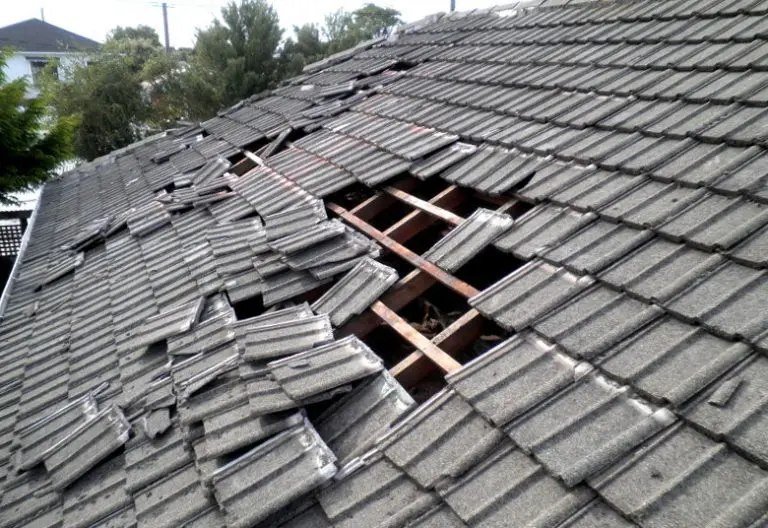
Every year, many homeowners across Vancouver Island ask the same question:
“Is my roof ready for fall storms?”
It’s an important question—and one that’s often asked a little too late.
By the time powerful autumn winds arrive, even small roofing problems can quickly become serious. A single loose shingle, deteriorated flashing, or clogged gutter may not seem urgent during the dry summer months, but under strong winds and heavy rain, those minor issues can allow water to enter your home or lead to more extensive roof damage.
The good news is that many storm-related roofing problems are preventable with timely maintenance and a professional inspection. Late summer and early fall are excellent times to evaluate your roof while weather conditions are still favorable.
In this guide, we’ll explain how Vancouver Island’s fall weather affects roofing systems, what warning signs homeowners should watch for, and practical steps you can take now to help protect your home throughout the storm season.
Why Fall Wind Storms Matter on Vancouver Island
Vancouver Island is well known for its beautiful coastal scenery—but its location also exposes homes to seasonal weather systems that can bring:
- Strong wind gusts
- Wind-driven rain
- Falling branches
- Heavy debris
- Extended periods of wet weather
While not every community experiences the same conditions, autumn often marks the beginning of a more demanding season for residential roofs.
A roofing system that’s in good condition is better prepared to withstand these seasonal challenges.
Why Small Roofing Problems Become Bigger During Storm Season
One of the biggest misconceptions homeowners have is believing that if the roof isn’t leaking today, it’s ready for fall.
Unfortunately, many roofing issues remain hidden until severe weather exposes them.
For example:
- A slightly lifted shingle may stay in place all summer but detach during strong winds.
- Small gaps in flashing may only leak when rain is driven sideways by gusts.
- Clogged gutters may overflow during heavy rainfall, directing water where it shouldn’t go.
Addressing these concerns before storm season is generally easier and less disruptive than emergency repairs.
Warning Signs Your Roof May Not Be Ready
A visual inspection from the ground can reveal several indicators that your roof deserves closer attention.
Missing or Loose Shingles
Shingles that are missing, cracked, or lifting at the edges are more vulnerable to wind damage.
Once one shingle detaches, surrounding shingles may become exposed to additional stress.
Curled or Aging Shingles
Older shingles naturally lose flexibility over time.
Curling edges or visible cracking may indicate that the roof is becoming more susceptible to wind and water intrusion.
Loose Flashing
Flashing protects areas around:
- Chimneys
- Roof vents
- Skylights
- Roof valleys
If flashing becomes loose or deteriorated, water may enter during wind-driven rain.
Gutters Filled With Debris
Leaves, moss, pine needles, and granules reduce gutter performance.
Blocked gutters can contribute to water overflow and moisture accumulation around roof edges.
Moss Growth
Moss retains moisture and may interfere with proper water drainage if left unmanaged.
Routine maintenance helps minimize its impact.
Areas Most Vulnerable During Wind Storms
Certain sections of every roof experience greater wind exposure than others.
Professional inspections often pay close attention to:
Roof Edges
Wind pressure frequently affects the perimeter of the roof first.
Ridge Caps
The highest point of the roof experiences constant wind exposure.
Valleys
Roof valleys handle significant water runoff during storms.
Proper drainage is essential.
Flashing
These transition points require careful inspection because they are common locations for water intrusion.
Roof Penetrations
Areas surrounding vents, chimneys, and skylights require properly maintained seals.
Benefits of Preparing Before Fall
Scheduling a roof inspection on Vancouver Island before storm season provides several important advantages.
Early Problem Detection
Small maintenance issues can often be addressed before they become larger repairs.
Better Scheduling
Roofing contractors frequently experience increased demand after storms.
Planning ahead often provides greater scheduling flexibility.
Reduced Risk of Emergency Repairs
Preventive maintenance may reduce the likelihood of unexpected roofing emergencies during severe weather.
Greater Peace of Mind
Knowing your roof has been professionally evaluated allows you to enter storm season with greater confidence.
Common Mistakes Homeowners Make
Understanding these common mistakes can help extend the life of your roof.
Waiting Until After the First Storm
Once leaks appear, moisture may already have affected insulation, drywall, or structural components.
Ignoring Gutters
Gutters play an important role in directing water away from your home.
Cleaning them before fall is one of the simplest preventive maintenance tasks.
Assuming Trees Don’t Affect the Roof
Branches that hang over the roof can scrape shingles during windy weather or break during storms.
Regular trimming helps reduce this risk.
Delaying Professional Inspections
Minor roofing issues are often much easier to address before storm season begins.
Homeowner Fall Roof Preparation Checklist
A few simple maintenance steps can improve your roof’s readiness for autumn weather.
Before Storm Season
✅ Clean gutters and downspouts.
✅ Remove leaves, branches, and debris.
✅ Trim overhanging tree limbs.
✅ Check attic spaces for signs of moisture.
✅ Look for missing shingles from the ground.
✅ Inspect ceilings for water stains.
✅ Schedule a professional roof inspection.
Preventive maintenance doesn’t eliminate every weather-related risk, but it helps identify concerns before they worsen.
Frequently Overlooked Roofing Components
Many homeowners focus primarily on shingles, but a roofing system consists of many interconnected parts.
Professional inspections also examine:
- Flashing
- Ridge vents
- Underlayment (where visible)
- Soffits
- Fascia
- Roof decking (when accessible)
- Chimney flashing
- Skylights
- Roof valleys
- Gutters and drainage systems
Each component contributes to protecting your home from water intrusion.
Roof Repair or Roof Replacement?
Not every roof showing signs of wear requires complete replacement.
| Condition | Repair May Be Suitable | Replacement May Be Worth Considering |
| One or two damaged shingles | ✔ | |
| Minor flashing repair | ✔ | |
| Small localized damage | ✔ | |
| Extensive aging | ✔ | |
| Multiple recurring leaks | ✔ | |
| Widespread shingle deterioration | ✔ | |
| Roof approaching end of service life | ✔ |
A professional inspection provides the information needed to determine the most appropriate solution.
General Cost Considerations
Roof maintenance and repair costs vary based on factors such as:
- Roof size
- Roof pitch
- Accessibility
- Roofing material
- Extent of repairs
- Existing roof condition
- Ventilation improvements
- Flashing replacement
Rather than waiting for emergency repairs, proactive inspections allow homeowners to understand their roof’s condition and plan future maintenance more effectively.
Professional Recommendations
Every roof ages differently depending on:
- Local weather exposure
- Tree coverage
- Roofing material
- Installation quality
- Maintenance history
Homeowners should consider scheduling an inspection if they notice:
- Missing shingles
- Loose flashing
- Moss growth
- Granules collecting in gutters
- Interior water stains
- Previous storm damage
A proactive approach helps reduce the likelihood of larger repairs during Vancouver Island’s wet season.
Summer Preparation vs. Emergency Fall Repairs
| Preparing Before Storm Season | Waiting Until Storm Damage Occurs |
| Better weather for inspections | Wet weather may delay repairs |
| More scheduling flexibility | High demand after storms |
| Opportunity to address minor issues | Small issues may become larger repairs |
| Greater peace of mind | Increased risk of water intrusion |
| Time to budget for repairs if needed | Emergency work may be more disruptive |
Planning ahead often results in a smoother and less stressful experience.
Why Choose Shoreline Roofing
Preparing your roof for Vancouver Island’s changing seasons starts with working with professionals who understand local conditions.
At Shoreline Roofing, homeowners receive honest recommendations based on the actual condition of their roof. The team understands the challenges created by coastal weather, seasonal wind, and heavy rainfall, and focuses on practical roofing solutions that help homeowners protect their investment year-round.
Homeowners choose Shoreline Roofing because they value:
- Local experience serving Vancouver Island communities
- Professional roof inspections
- Quality workmanship
- Honest recommendations
- Clear communication
- Safety-focused work practices
- Responsive customer service
Whether your roof requires maintenance, repairs, or replacement, an experienced inspection helps ensure you can make informed decisions before severe weather arrives.
Frequently Asked Questions
When should I prepare my roof for fall storms?
Late summer and early fall are ideal times to inspect and maintain your roof before wetter and windier weather becomes more common.
Can strong winds damage a roof that isn’t leaking?
Yes. Wind can loosen shingles, damage flashing, or expose vulnerable areas even if no leaks are currently visible.
How do I know if my roof has storm damage?
Common signs include missing shingles, damaged flashing, debris on the roof, water stains inside the home, and visible changes after severe weather. A professional inspection can identify issues that may not be obvious from the ground.
Should I clean my gutters before fall?
Yes. Removing leaves, moss, and debris helps gutters direct water away from your roof and foundation more effectively during heavy rainfall.
How often should my roof be inspected?
Many homeowners benefit from having their roof professionally inspected periodically, particularly before and after seasons with more challenging weather.
Is a roof inspection worthwhile even if my roof looks fine?
Yes. Many roofing issues develop gradually and aren’t visible from the ground. Preventive inspections help identify small concerns before they become more significant.
Conclusion
Vancouver Island’s fall wind storms can place significant stress on your roofing system, especially if small maintenance issues have been left unaddressed through the summer. Loose shingles, aging flashing, clogged gutters, and other seemingly minor concerns can quickly become larger problems once strong winds and heavy rain arrive.
Taking the time to schedule a roof inspection on Vancouver Island before storm season gives you the opportunity to identify potential issues, complete preventive maintenance, and better protect your home against the months ahead.
If you’re unsure whether your roof is ready for fall, contact Shoreline Roofing for a professional inspection. Their experienced team can assess your roof, explain any findings, and recommend practical solutions to help keep your home protected throughout Vancouver Island’s storm season.