
What to Do When You Notice Roof Leaks: A Step-by-Step Guide
1. Stay Calm and Assess the Situation
When you notice a roof leak, the first thing you need to do is stay calm and assess the situation. A small leak might seem like no big deal, but it can lead to significant damage if not addressed immediately. Here’s how to assess the damage:
Visible Signs of a Roof Leak
- Water stains on your ceiling or walls: One of the first signs of a roof leak is water stains or dark spots on the ceiling.
- Drips or water running down the walls: If you see water running down the walls or dripping from the ceiling, this could indicate a roof leak.
- Wet or damp spots on the floor: In severe cases, water may leak down into the room and pool on the floor.
- Damaged or missing shingles: Check your roof for any missing, cracked, or broken shingles. This can provide the source of the leak.
2. Contain the Leak to Minimize Damage
Once you’ve identified the leak, it’s important to take immediate action to minimize the damage to your home. The longer the water seeps into your home, the more it can cause damage to the structure, insulation, and belongings inside.
Steps to Contain the Leak
- Move furniture and valuables: Immediately remove any furniture, electronics, or valuables from the affected area to prevent water damage.
- Place a bucket or container: Use a bucket, trash can, or any available container to catch water drips and prevent it from spreading further.
- Use towels and rags: Place towels or rags under the leak to soak up excess water.
- Cover the affected roof area: If you can safely access your roof, place a tarp over the leak and secure it to prevent further leakage.
3. Inspect the Roof for Visible Damage
After containing the leak inside, it’s time to inspect the roof from the outside. However, safety first: Don’t risk going on the roof if conditions are unsafe. If the roof is steep or wet, it may be best to call in a professional.
Look for Missing, Broken, or Damaged Shingles
Shingles are the first line of defense against the elements, and any missing or damaged shingles can expose the underlayment to rain and water. This is a common cause of roof leaks.
Examine Roof Flashing
Flashing is a metal or rubber seal that prevents water from seeping in around roof penetrations like chimneys, vents, and skylights. If flashing is rusted, cracked, or improperly installed, it can be a major source of leaks.
4. Call a Professional Roofing Contractor
While it’s helpful to inspect your roof yourself, the safest and most effective way to repair a leak is to hire a professional roofing contractor. Roofing professionals are experienced in identifying issues that may not be visible to an untrained eye.
Why Hire a Professional?
- Expert Assessment: A professional roofing contractor can identify not just the obvious leaks but hidden issues as well, such as water damage, underlayment problems, or structural issues.
- Quality Repairs: Roofing contractors are equipped with the right tools and materials to repair the roof without causing further damage to the structure.
- Safety: Climbing onto a roof is dangerous, especially for homeowners who are not familiar with proper safety measures. Professionals are trained and insured to perform roof repairs safely.
- Long-Term Solutions: A roofing contractor will offer permanent solutions rather than temporary fixes, preventing recurring leaks.
5. Repair or Replace Damaged Roof Sections
Once your roofing contractor has assessed the damage, they will propose solutions, which may include repairs or even a roof replacement, depending on the severity of the damage.
Common Roof Repair Solutions
- Replacing damaged shingles: If only a few shingles are damaged, the contractor will replace them with new ones to restore the roof’s integrity.
- Fixing flashing issues: If flashing around a chimney or vent is the cause of the leak, it will be repaired or replaced.
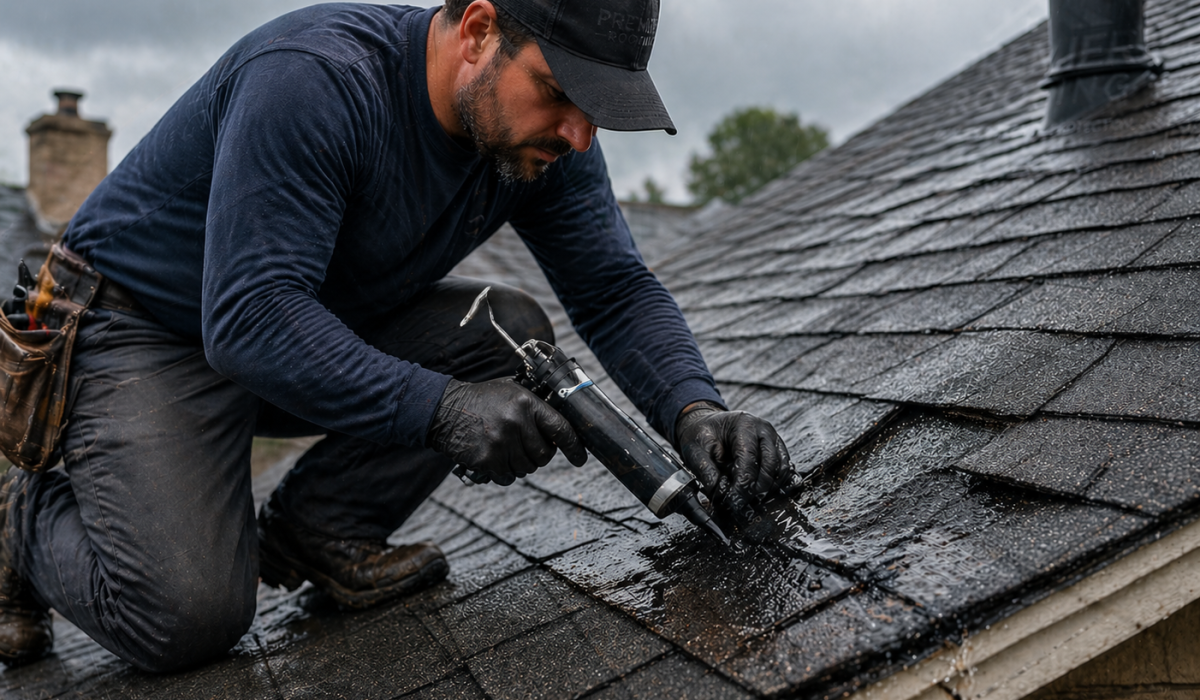
- Roof patching: For small leaks, contractors may apply a patch to the affected area. This is often a temporary fix until a more permanent solution can be applied.
When Is a Roof Replacement Necessary?
In some cases, the damage is so extensive that roof replacement is necessary. This typically happens when:
- The roof is over 20 years old and is nearing the end of its life.
- The roof has widespread damage that cannot be easily repaired.
- There is significant water damage to the underlying structure of the roof or attic.
6. Prevent Future Roof Leaks
Once your roof is repaired or replaced, it’s important to take steps to prevent future leaks. Regular roof maintenance is key to extending the life of your roof and protecting your home.
Tips for Preventing Roof Leaks
- Regular roof inspections: Schedule professional roof inspections at least once a year. This will help catch small issues before they become big problems.
- Clean gutters regularly: Keep your gutters free from debris so water can flow freely and not back up under your shingles.
- Trim overhanging branches: Trees that hang over your roof can cause damage during storms and also promote moss and algae growth.
- Check your attic: Make sure your attic is properly ventilated to prevent excess moisture buildup, which can lead to roof damage.
7. Understand Your Insurance Coverage
Roof repairs can be costly, so it’s important to know whether your homeowner’s insurance covers roof leaks. Most policies will cover roof repairs caused by storms, hail, or other natural events, but it’s essential to review the specifics of your policy.
Roof Leak Insurance Considerations
- What’s covered?: Check if your policy covers roof leaks caused by storms, hail, or other accidental damage.
- Exclusions: Insurance may not cover damage due to neglect, lack of maintenance, or wear and tear.
- Claims process: Contact your insurance provider to file a claim and understand the steps involved in getting your roof repaired or replaced.
Conclusion: Act Fast to Prevent Expensive Repairs
Roof leaks can cause a lot of stress, but with quick and effective action, you can minimize the damage and avoid costly repairs. Remember to stay calm, assess the situation, contain the leak, and call a professional roofing contractor. Regular roof maintenance and timely repairs will keep your roof in good condition and ensure that leaks don’t cause major damage.